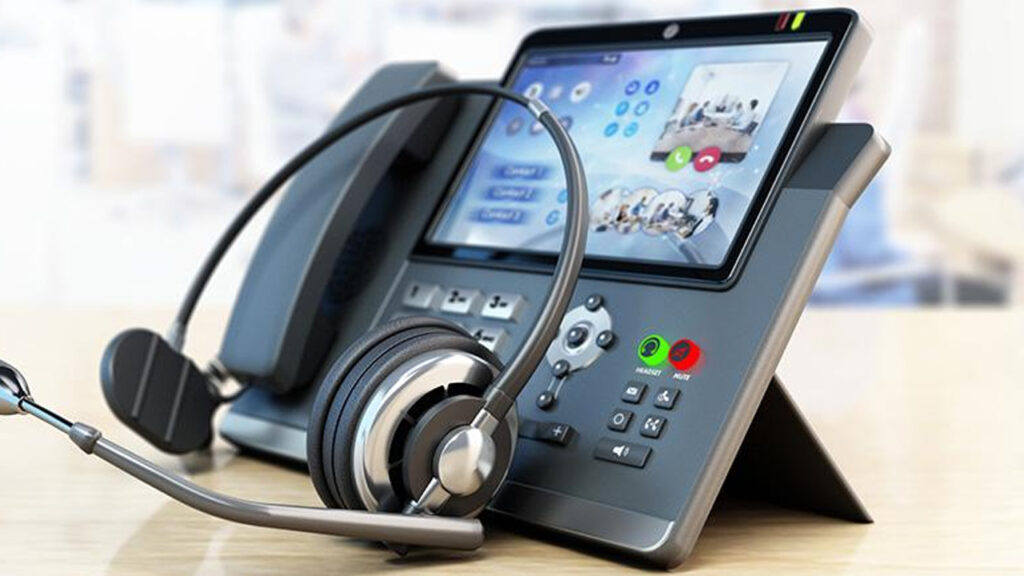

What is VoIP?
From POTS to VoIP: The Evolution of Telecommunication
In today’s digital age, the way we communicate has undergone a revolution, primarily driven by technological advancements. To appreciate how far we’ve come, it’s essential to understand the journey from the traditional Plain Old Telephone Service (POTS) to the contemporary Voice over Internet Protocol (VoIP) systems.The POTS Era: The Backbone of Traditional Telephony
Analog Transmission At its core, POTS is an analog system. When you spoke into a traditional phone, your voice vibrated a microphone diaphragm, producing an electrical signal that mirrored the sound waves of your voice. This continuous electrical waveform was the essence of analog transmission. The Reign of Copper Wires These analog signals traveled vast distances over copper wires, which served as the lifelines of the POTS network. Copper’s excellent conductivity ensured minimal signal loss, maintaining voice clarity. The Central Office and Switching The journey of your voice signal, when making a call, led to a local Central Office (CO). Equipped with switching equipment, the CO connected your call to a local line or routed it to a distant recipient through various channels, possibly even other COs or long-distance networks. PBX: The Business Communication Hub Enter the Private Branch Exchange (PBX). For businesses and large organizations, PBXs became pivotal. They provided a private telephone network that enabled internal calls to be switched locally, bypassing the public network and ensuring cost efficiency. As technology progressed, the once manually operated PBXs, which required human intervention to plug cables and connect calls, evolved into automated systems.What is VoIP?
VoIP, or Voice over Internet Protocol, is more than just a modern phone service. It represents a seismic shift in telecommunication. At its core, VoIP allows users to make voice calls using a broadband internet connection instead of a conventional or analog phone line. But what sets it apart? First, think of VoIP as the digital evolution of making calls. Instead of sending voice data in continuous waveforms over copper lines, VoIP converts voice data into digital packets that travel over the internet, much like an email or a streamed video. Moreover, VoIP doesn’t restrict you to a particular location or device. With an internet connection, a headset, and a VoIP service provider, you can communicate from anywhere in the world. This flexibility, combined with a plethora of features, makes it a favorite for businesses, travelers, and anyone keen on efficient communication.The Digital Shift: Introduction of VoIP
The Digital Transformation The digital transformation in telecommunication is best epitomized by VoIP. When using VoIP, your voice becomes a series of ’emails’ sent back and forth in real-time over the internet. Technical Nuances of VoIP Your voice gets ‘sampled’ multiple times per second, resulting in binary data (0s and 1s). This digital voice data is then segmented into packets, compressed, and encoded for efficient transmission. These packets traverse the internet, guided by protocols like the Real-time Transport Protocol (RTP), reaching their intended recipient. At the destination, they undergo decoding and decompression, turning back into recognizable voice signals. Benefits of VoIP: Apart from cost savings, VoIP offers:- Flexibility: Use your number from anywhere with an internet connection.
- Features: From call forwarding to video conferencing, the range surpasses traditional systems.
- Integration: Seamlessly integrate with other digital services, from email to CRM systems.
The Phasing Out of Analog Infrastructure
The extensive copper network underpinning POTS is aging. While it once stood as a testament to engineering prowess, it now presents challenges for carriers:- Maintenance and Material Scarcity: Keeping the vast copper network operational is expensive, made more challenging by the scarcity of copper.
- Physical Vulnerabilities: Copper wires are susceptible to natural disasters, vandalism, and theft.

Neil Witherspoon
Latest Posts
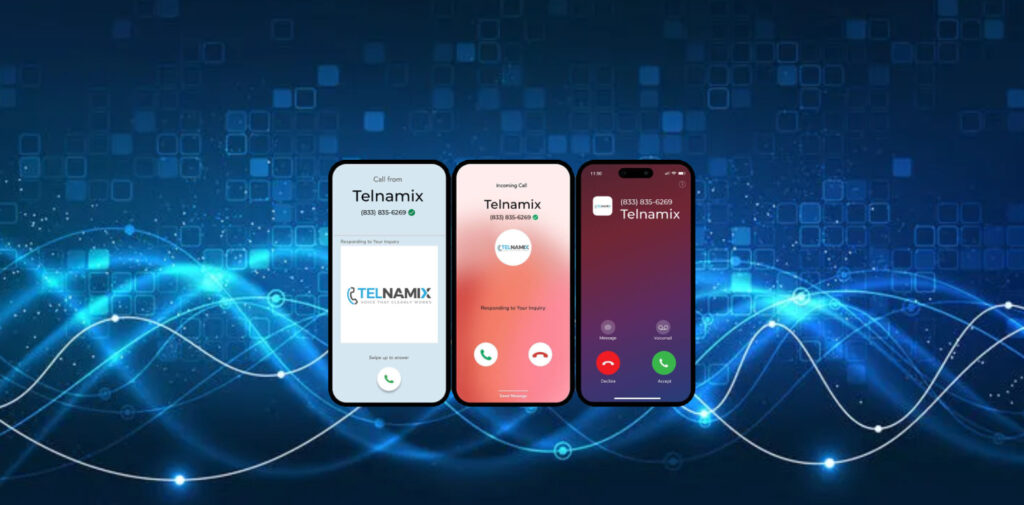
Branded Calling: Get Your Calls Answered
Display your company name, logo, and call reason on your customers’ phones The Problem: Good Calls Looking Like
 By Dee Holton
SIP Trunking 101: A Modern Guide for Business Communications
SIP Trunking 101: A Modern Guide for Business Communications At Telnamix, we know that business communication is changing

Yealink and Microsoft Partner on MDEP: Elevating Secure Collaboration
Yealink and Microsoft Partner on MDEP: Elevating Secure Collaboration In today’s fast-paced hybrid work world, organizations need trustworthy,
No results found.